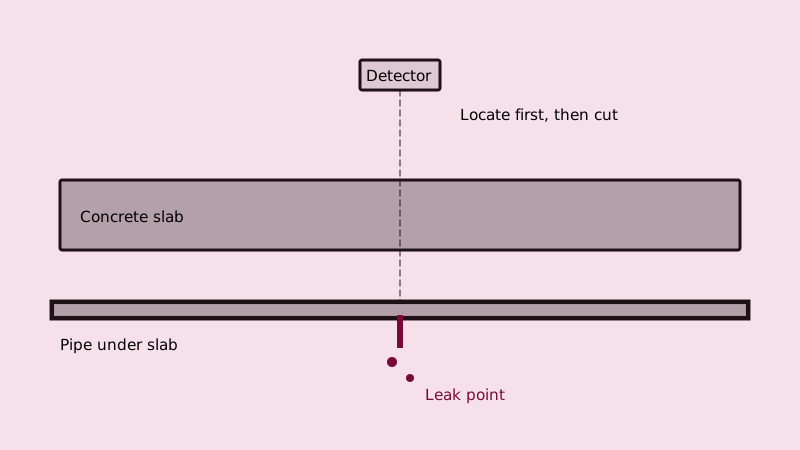
Published figures put finding a hidden leak with an inspection at roughly $178 to $638 nationally, and repairing a leaky pipe at about $215 to $704. Walls and slabs push both higher. Use them for orientation only. Rates in Southern California differ from national ones, and no one can price a leak sight unseen. Every leak service is in our leak hub, and you can ask for a visit from the home page.
What does fixing a leaking pipe usually cost?
Thumbtack's national data put the average repair of a leaky pipe at $215 to $704, with a low of $94 and a high of $1,656. Cases it cites include an in-wall waterline repair with diagnostic demolition at $150 to $350, and minimum service fees of $90 to $100. Slab and outdoor leaks cost more and are not priced there.
Factors that decide your spot on that scale:
- Access. An exposed pipe is easy; a line sealed inside a wall or below concrete means real labor.
- Extent. A small repair can uncover a bigger problem once the wall is open.
- Material. PEX, copper, galvanized steel and plastic differ in repair difficulty.
- Minimum fee. Some plumbers charge one even for a small job.
- Rates. Local labor rates differ, and local rates in Southern California often exceed the national figure.
A suspected slab leak is a different animal, covered by slab leak pricing and the repair or repipe decision.
What is the price of just finding the leak?
Finding a leak normally means a diagnostic visit or inspection, and Thumbtack's national range for a plumbing inspection is $178 to $638. One pro in Phoenix quotes $229 for a visual check, one in Alvin, Texas quotes $300 for a camera and $500 for both. They are single examples from other states, nothing more.
A few plumbers deduct the diagnostic fee when you also hire them for the fix. Raise it before they arrive. For an in-wall leak that needs demolition to confirm, Thumbtack lists diagnosis at $80 to $100 for the opening alone, with the repair extra.
| Item | Published figure | Notes |
|---|---|---|
| Plumbing inspection, national range | $178 to $638 | Varies with method and house size |
| Visual inspection (one example) | $229 | Phoenix pro |
| Camera inspection (one example) | $300 | Alvin, Texas pro |
| Visual plus camera (one example) | $500 | Same Alvin pro |
| In-wall diagnosis requiring demolition | $80 to $100 | Opening only |
| Minimum service fee examples | $90 to $100 | Some firms only |
Which detection methods cost more?
Simple methods cost less: a visual check, a pressure test or a meter check. Equipment methods cost more: acoustic listening, thermal imaging, a sewer or pipe camera and tracer gas. The right one depends on where you think the water goes. A camera suits drains and some buried lines, while pressure testing suits supply lines.
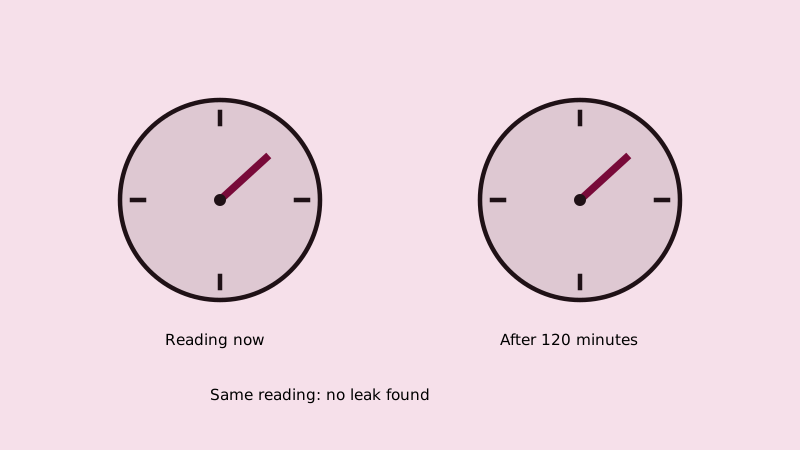
A little homework shrinks the search. The EPA meter test goes like this: write down the dial, leave every fixture unused for 120 minutes, then check; any movement suggests a leak. Toilets have a separate check, with dye added to the tank and a ten-minute wait for color in the bowl. When the bill is high but nothing shows, the no-visible-leak page is next.
Why do leaks under concrete or outdoors cost more?
Because finding and reaching them takes more labor and equipment. Under a slab, the plumber must locate the spot precisely, cut the floor, repair the pipe and patch the concrete. Outdoors, the line may need trenching, and a main from the street can mean the water supplier's side as well as yours. Published repair averages do not cover these cases.
No verified Whittier price turned up for slab or outdoor line leaks, so none is given. Request detection and repair as separate line items, and ask how the floor or yard gets restored. Should the break lie beyond the meter, toward the street, the water supplier may be responsible instead of you, so call the number on your bill.
How do you keep the total down?
Put the detection and repair scope on paper, and learn whether the diagnostic fee counts toward the fix. Settle what happens if the leak proves to be elsewhere, and whether opening and closing walls is in the price. Two bids with matching line items beat two bare totals.
Verify the contractor too. The license number should go through the lookup at cslb.ca.gov. State law asks for a license on permit work and on any job reaching $1,000, and a written contract once the price passes $500. Then read your homeowners policy for detection or tear-out cover, since some pay and many do not. Burst pipe insurance gives the outline.
Is a leak worth fixing right away?
Yes, since the damage grows. According to EPA, one household leak can waste more than 9,300 gallons yearly, and a concealed one rots framing, stains ceilings and feeds mold. Small repairs now are generally cheaper than drywall, flooring and mold remediation afterward. Visible leak? Close its supply and request a visit.
A spraying pipe or a wet ceiling is urgent: close the main, then read our emergency plumbing page. Smaller, visible drips are the subject of the under-sink leak guide, and a quote can be requested through the price form.
Common questions
Will the hunt eat up my afternoon?
A visual or meter check takes under an hour; equipment-based work runs about one to three hours, varying with the house and the lines to isolate. A slab leak with demolition and patching runs longer. A time estimate before the start is reasonable to ask for.
What belongs in a leak-detection estimate?
The license number, the method, the visit fee and any credit toward the repair all belong there. Find out how the leak will be marked and what you get afterward, a written report or photos. Settle who restores walls or floors after they have been opened.
Is someone needed on site during detection?
Normally, yes, someone should be home. Access is needed to the meter, shutoff, heater and affected rooms, and you will want the findings explained before you approve a repair. Describe stains, noises and bill changes at the start, and leave pets elsewhere.
Does an outdoor leak cost less than an indoor one?
Not always. A leaky hose bib or irrigation fitting is a quick fix, but a buried line can mean trenching and surface repair, and a break between meter and house can get costly. No local price was verifiable, so insist on a written estimate listing digging and restoration.
Is there a typical slab leak price?
Each is priced individually, depending on location, pipe and how much flooring has to be opened. The published national leak figures leave them out, so no number is offered here. The slab leak cost page lists the factors; get an estimate in writing.
References
- Thumbtack, cost to fix leaky pipes (national average $215 to $704; in-wall examples; minimum service fees; read November 2026)
- Thumbtack, plumbing inspection cost (national average $178 to $638; camera and visual examples; read November 2026)
- EPA WaterSense, Fix a Leak Week (meter and dye tests)
- California Contractors State License Board